HOMEKEY+ DEVELOPMENT PARTNER · RURAL & NORTHERN CALIFORNIA COUNTIES

Builders, Developers
& Property Managers
Creating Homes That Last.

Your county leads. We co-apply and carry the legwork, from the site and the application to entitlements and permits, then build and manage affordable communities, off-site modular or traditional on-site to fit each site, including homes for veterans.

Integrated development · Cost-efficient construction · On-site management & supportive services

The Opportunity

California is funding homes for its seniors, its workforce, and its most vulnerable neighbors. The work now is delivering them — on budget, and for the long run.

I

Public-partner ready

We work alongside counties, cities, and housing authorities as co-applicant, carrying the legwork from site identification to opening day.

II

Built to fit the site

Off-site modular or traditional on-site construction, chosen site by site to control cost and schedule without compromising dignity.

III

Here for decades

On-site management and supportive services that stay long after the ribbon is cut.

WHY NOW

The funding is here. The model is proven.

$2.1B+

IN PROP 1 HOMEKEY+ FUNDING STATEWIDE

2,905

HOMEKEY+ HOMES FUNDED SO FAR, 828 FOR VETERANS

~1/3

THE PER-UNIT COST OF CONVENTIONAL BUILDS*

1 Team

Accountable from Site Plan to Operations

*Sources: California HCD Homekey+ update (Oct 2026); Rio Linda Senior Housing published figures ($207K vs. $600K+ per unit).

The Homekey+ Scorecard

Homekey+ funds the applications that score.

Your county or city leads the application. A developer can join as co‑applicant, and that is our role. Every application needs at least 100 points to be eligible, and every point claimed is written into the Standard Agreement for the life of the project. So we build each partnership around the state's criteria from day one, and only commit to what we will deliver.

Points to qualifyThe minimum score to be eligible for Homekey+ funding.

6mo

To start buildingNew construction must break ground within six months.

24mo

To occupancyA temporary certificate of occupancy is due within 24 months. We plan the build method, modular or on-site, around this clock.

45ptsCounty-led

Sustained Operating Leverage

What earns points

Committed non-Homekey+ operating subsidies for up to 15 years, asking for less Homekey+ operating money, and BHSA/MHSA funds committed by county behavioral health. At least 10 points here to be prioritized.

How we partner

Your commitments drive this score. As your property manager, we build the operating budget with you so every subsidy dollar goes further.

40ptsShared

Experience & Coordination

What earns points

Past projects serving the target population, the lead service provider's experience, and 15 points for commitment letters or MOUs showing how the whole team will work together.

How we partner

We arrive as one accountable team (developer, builder and property manager) and put the commitments in writing with your service provider and county behavioral health.

40ptsWe lead

Community Impact

What earns points

At least 25% of units with two or more bedrooms, keeping income limits in place after year 15, and accessibility beyond the required minimums.

How we partner

Unit mix and accessibility are design decisions. We plan them into the site plan from the start, not after.

20ptsWe lead

Site Control

What earns points

The full 20 for fee title, a leasehold, or an option or sales contract. An exclusive negotiating agreement or letter of intent earns 15.

How we partner

Acquisition is where Browns Valley started. We work to secure the strongest form of site control before you file.

15ptsShared

Cost Containment

What earns points

One point for every $10,000 under the $200,000-per-unit baseline (up to 10), plus 5 points for excess or surplus public land.

How we partner

Matching the build method to each site, modular or on-site, is how we chase the cost baseline. Bring county-owned or surplus land and it is worth 5 more points.

12pts(16 rural)We lead

Site Selection

What earns points

Nearby transit, a grocery store, pharmacy, health care, library, park, and free high-speed internet for residents.

How we partner

We screen candidate sites against the amenity checklist before anyone commits to a parcel.

−20Avoid the penalty. Displacing current residents without proper mitigation can cost up to 20 points. Vacant and surplus sites keep that number at zero.
★Add veteran units. Each one brings a $30,000 operating award, a 1:2 capital match of up to $100,000 more per home, and priority review. See the veteran dividend →

Small department? We carry the legwork.

Small departments rarely have spare staff time to chase competitive state funding. As your co-applicant, we take on the work and move through it with your team, at your county's pace and around your priorities.

  1. 01Site identificationMatched to need & scoring
  2. 02The Homekey+ applicationPulled together for you
  3. 03Entitlement & permittingWorked with your staff
  4. 04Build & manageFor the long run

Summary of California HCD's Homekey+ Notice of Funding Availability (Nov. 2024, amended through Mar. 27, 2026): Section 305 scoring and Section 501 new-construction requirements. Construction deadlines run from 60 days after award. HCD scores and verifies every application, and criteria can change with amendments, so confirm details against the current NOFA at hcd.ca.gov.

Homes for Those Who Served

Half of Homekey+ is set aside for veterans.

About $1.03 billion of Homekey+ is reserved for projects that house veterans. Since 2025 the state has added incentives to put those funds to work: more operating money, a bigger capital match, and priority for applications with veteran units.

We help your county plan veteran homes into the project from the first site walk, so the application is built to claim them.

Veteran units serve veteran households that include someone living with a behavioral health challenge who is experiencing, or at risk of, homelessness.

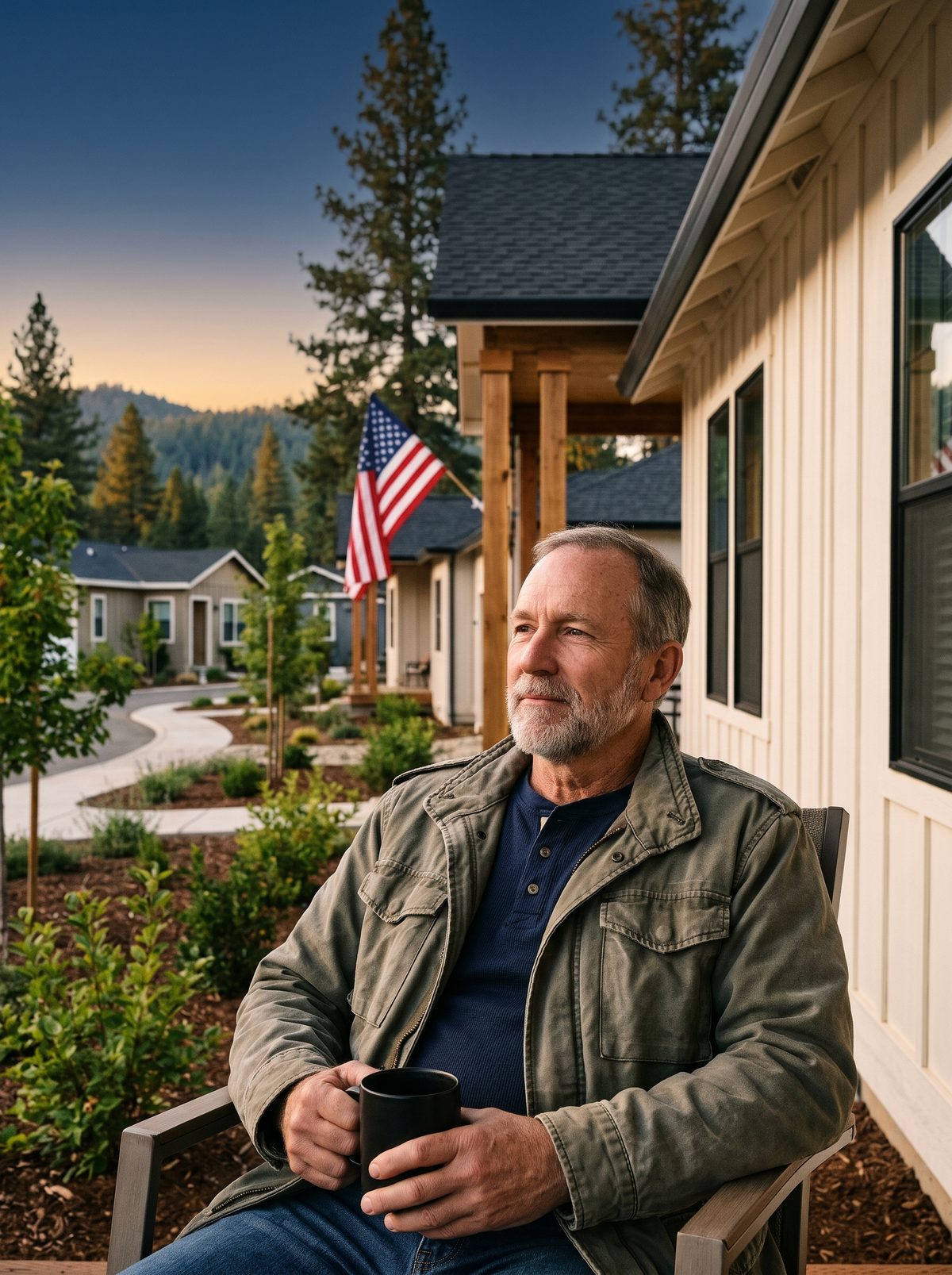
A veteran on the porch of a new single-story home in a small community in the Northern California foothills
“A place to heal, rebuild, and belong.”CalVet Secretary Lindsey Sin, on Homekey+

$1.03B

Veteran allocationHomekey+ funds reserved for veteran-serving projects.

828

Veteran homes so farOf 2,905 Homekey+ homes awarded statewide as of Oct. 2026.

$53.25M

Rural veteran set-asideVeteran funds reserved for rural projects.

The money is there. The homes are not, yet.

About half of Homekey+ funding is set aside for veteran-serving projects, but veterans hold fewer than three in ten of the homes awarded so far. That gap is why the state now rewards applications that include veteran units.

Share of Homekey+ funding set aside for veteran-serving projects~50%
Share of Homekey+ homes awarded so far that are for veterans28.5%

+$30K

Per veteran unit

More operating money

Every veteran unit adds a $30,000 operating award on top of the project's operating support.

NOFA §206(viii)

1 : 2

Local match

A bigger capital match

For veteran units, each local dollar can draw two state dollars, up to $100,000 more per home. Other units match 1:1.

NOFA §205

7 yrs

Operating support

A longer runway

Commit three or more years of local match for veteran units and the state can size their operating award for up to seven years.

NOFA §206(ii)

1st

In line

Priority review

Applications are prioritized by their veteran units, and requests made only for veteran units get first call on the discretionary reserve.

NOFA §203

The veteran dividend

What could veteran homes add to your project?

Move the sliders to see the extra state funding the veteran incentives allow. This is an illustration of the two veteran add-ons, not an award estimate.

20
$50,000

At 1:2, a $50,000 local match draws the maximum $100,000 from the state.

Added state funding, illustrated

Extra operating award
$30,000 × veteran units
$600,000
Extra capital from the 1:2 match
up to $100,000 × veteran units
$2,000,000
Total veteran add-ons$2,600,000

Based on Homekey+ NOFA §205 and §206 (amended Mar. 27, 2026). These add-ons sit on top of the base award. HCD sizes every award, and caps, eligibility and available funds apply.

Designed for those who served, from the first site walk.

Veteran units bring their own requirements. We plan for them up front, so they strengthen the application instead of complicating it.

  • Veteran units in the site planUnit count, mix and accessibility set from the start, sized to the veteran add-ons above.
  • Services written to the NOFAVeteran-specific, evidence-based practices, with coordination with your County Veteran Service Officer for benefits counseling.
  • Sites near VA careFor veteran-serving projects, Veterans Health Administration facilities count toward the health-care site points.
  • Rural-ready homesOff-site modular or traditional on-site homes for counties where veterans live far from services.

Sources: California HCD Homekey+ Notice of Funding Availability (Nov. 2024, amended Mar. 27, 2026), Sections 100, 203, 205, 206, 302 and 305; HCD news release, Oct. 26, 2026 (828 of 2,905 Homekey+ homes for veterans); HCD news release, Oct. 16, 2025 (about 50% of funding set aside for veteran-serving projects). CalVet quote from HCD news release, Mar. 2, 2026. Program terms can change, so confirm details against the current NOFA at hcd.ca.gov.

Property manager talking with a senior resident on her cottage porch

WHO WE ARE

People first.
Then everything else.

We are builders, developers, and property managers — but most importantly, people who put others first. We take a cradle-to-grave approach: site, financing, construction, and the decades of management that follow. Our focus is practical, high-quality housing for the people California's market has left behind — seniors, the local workforce, and neighbors transitioning out of homelessness.

“A roof is the beginning. Stability is the goal.”

WHAT WE DO

One team.
Develop, build, and manage.

By bringing development, construction, and long-term management under one accountable team, we move faster, control costs, and stay with every community long after opening day.

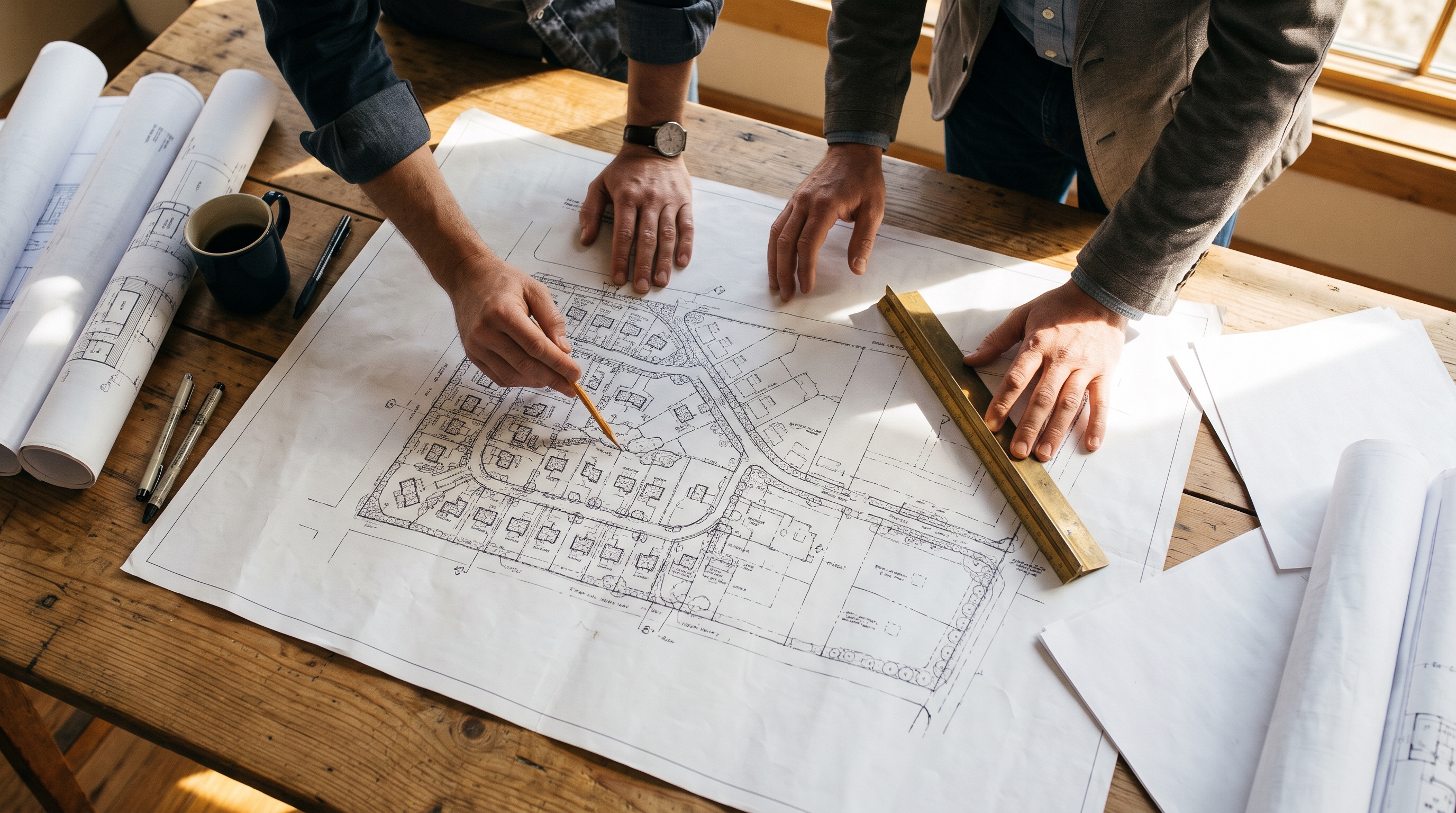
Development team reviewing a housing site plan on blueprints

01

Develop

SITE UNDERWRITING & ENTITLEMENTS

We identify sites, secure entitlements, and structure financing through Homekey+, Prop 1, local funds, and tax-credit programs — moving projects from concept to funded reality.

Funding: Homekey+ · Prop 1 · Tax credits · Local funds

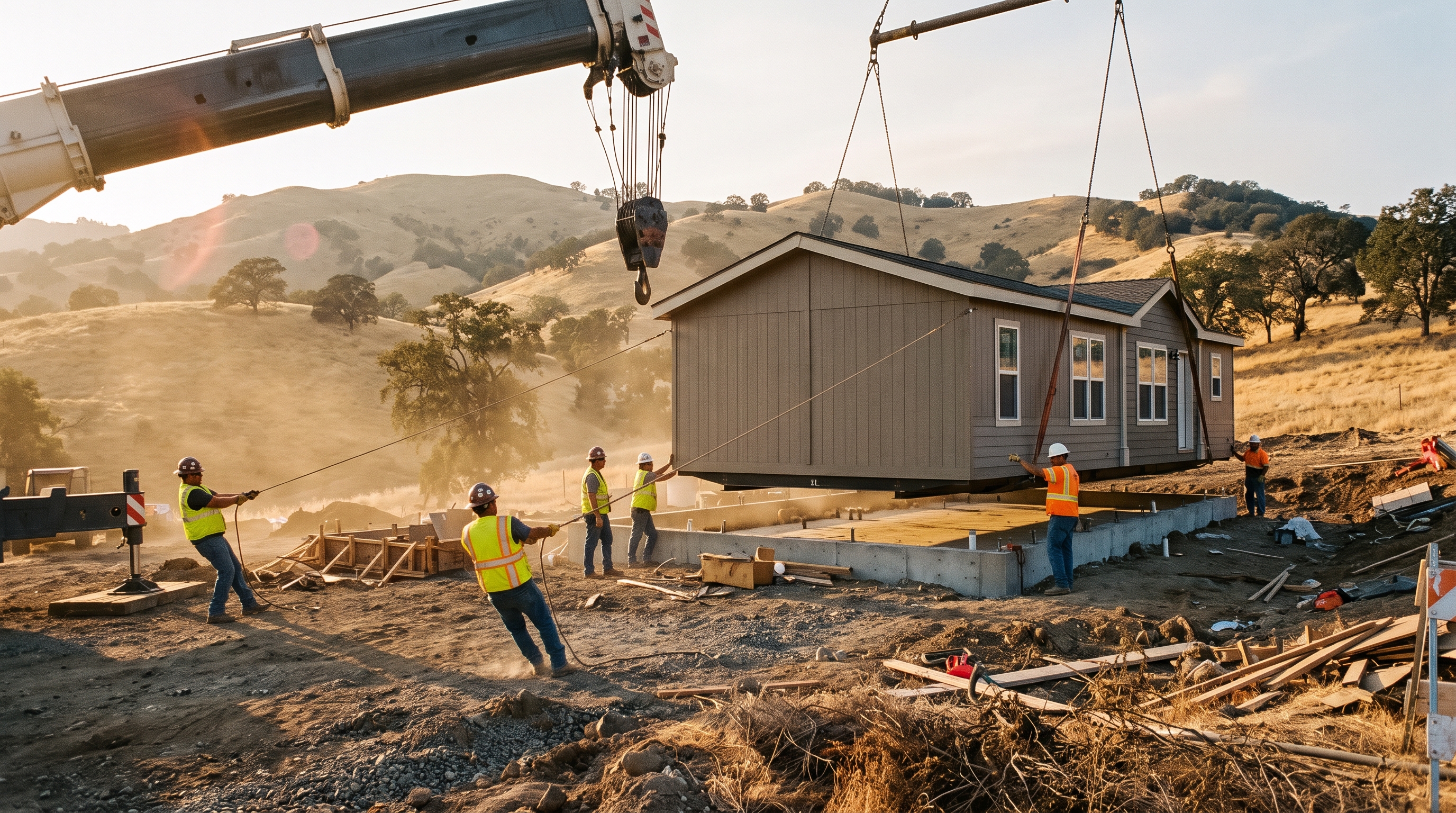
Crane setting a factory-built housing module on site

02

Build

OFF-SITE MODULAR OR ON-SITE

We match the method to the site: off-site modular for speed and tighter quality control, or traditional on-site where terrain, access or design call for it.

Delivery: Off-site modular · Traditional on-site

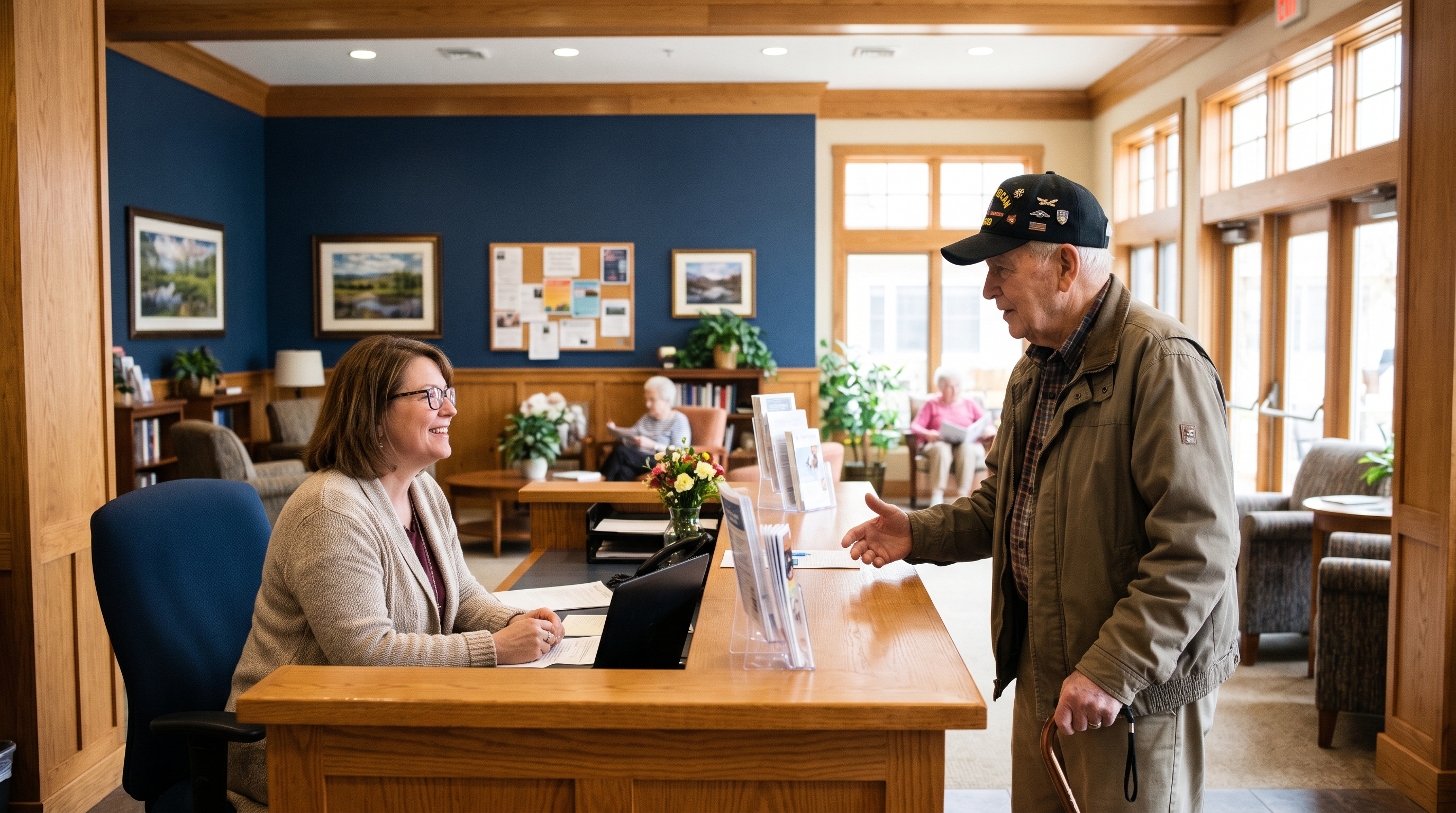
On-site manager greeting a veteran resident at the clubhouse desk

03

Manage

LONG-TERM ASSET STEWARDSHIP

On-site property management and coordinated supportive services, so residents gain stability — not just a roof — and communities operate well for decades.

Operations: On-site management + supportive services

How we build

Two ways to build.
One accountable team.

No two sites are alike, so we don't force one method on every parcel. We build off-site modular or traditional on-site, or a mix of both, whichever delivers dignified homes on your budget and the state's timeline.

Built in a factory · Set on site

Off-site modular

Homes are built in a controlled factory setting while grading, foundations and utilities move forward on site at the same time, then delivered and set on prepared foundations.

Best when
  • Unit plans repeat and the schedule is tight
  • Trucks and a crane can reach the parcel
  • Local trades are scarce or far away
Faster to occupancyFactory quality controlParallel site work

The site decides.

On the first site walk, we look at five things before we recommend a method.

Access & transportCan modules be trucked in and craned into place?
Terrain & soilsThe slope, the soils and the shape of the parcel.
UtilitiesWhere water, sewer and power will connect.
Local code & designZoning, design standards and density goals.
Schedule & budgetThe state's deadlines and the county's dollars.

Have a parcel in mind? We'll walk it with you.

Talk About Your Site

WHO WE SERVE

Housing for the people who hold
communities together.

Every community we develop is designed around the residents who will call it home — with natural light, accessibility, and services built in.

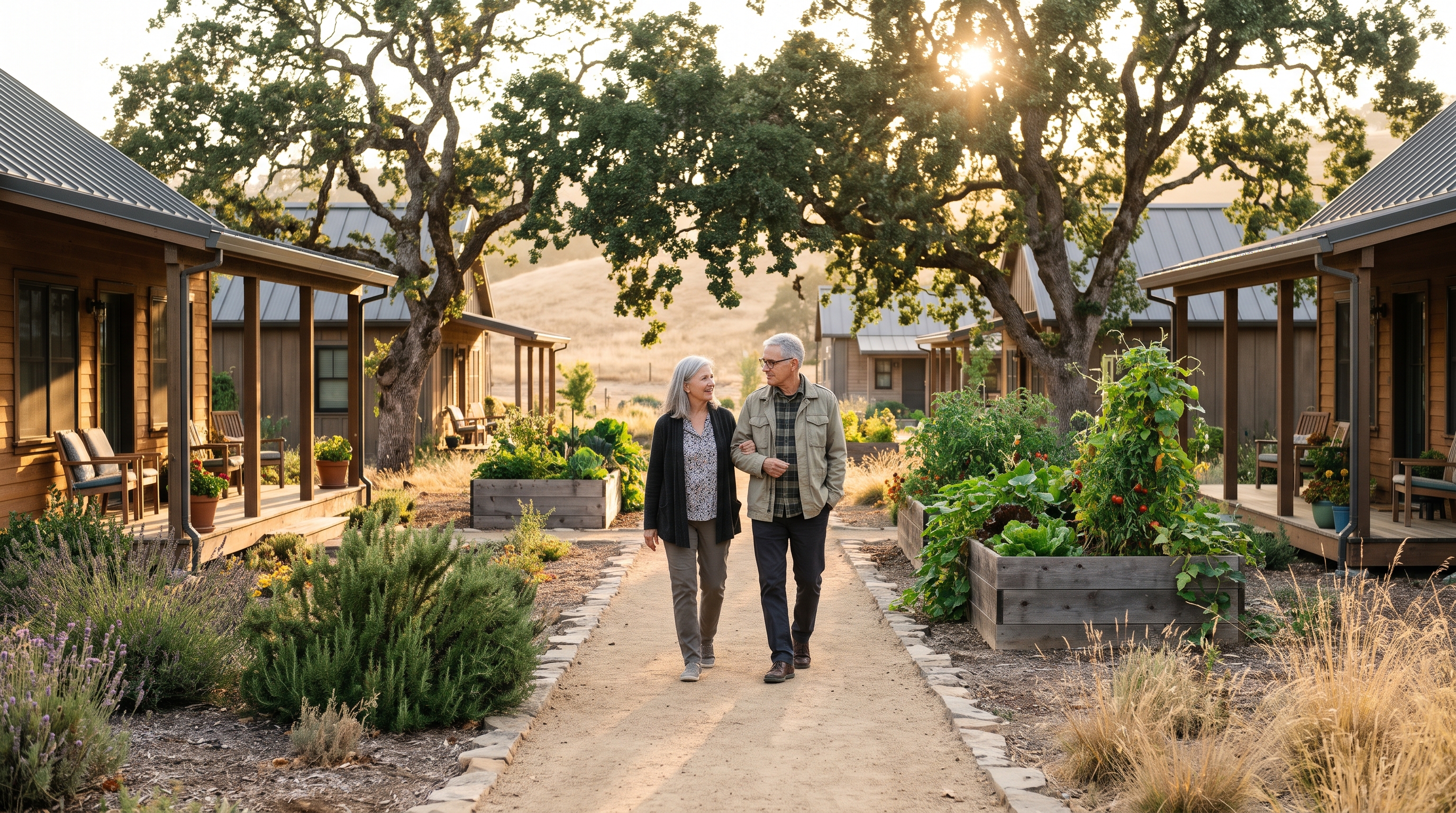
Senior couple walking a garden path between cottage homes

01 · LIFELONG DIGNITY

Senior Housing

Age-restricted communities with accessibility, dignity, and services built in.

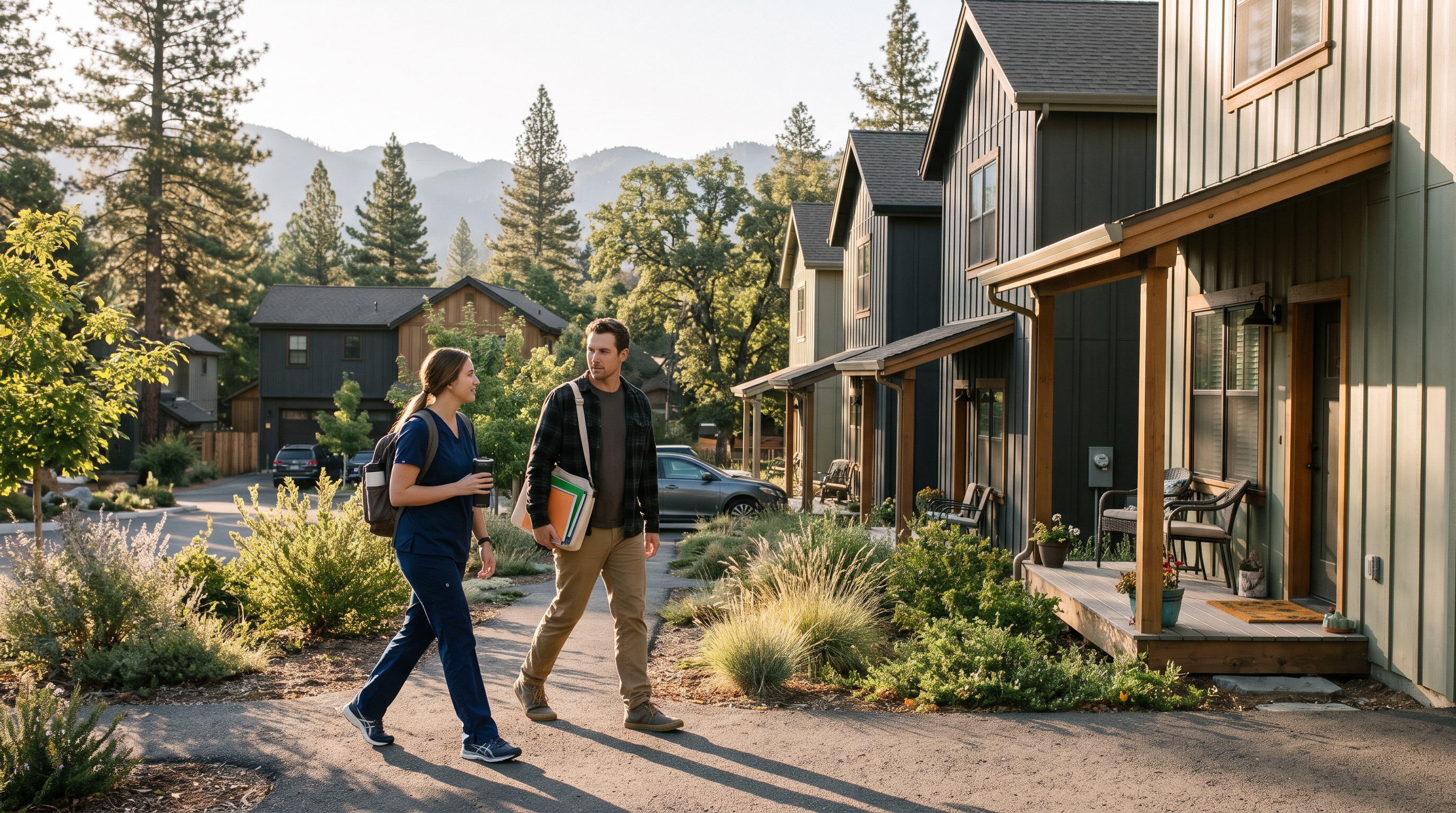
Neighbors walking past contemporary workforce townhomes

02 · ESSENTIAL STABILITY

Workforce Housing

Attainable homes for the teachers, caregivers, and tradespeople who keep our towns running.

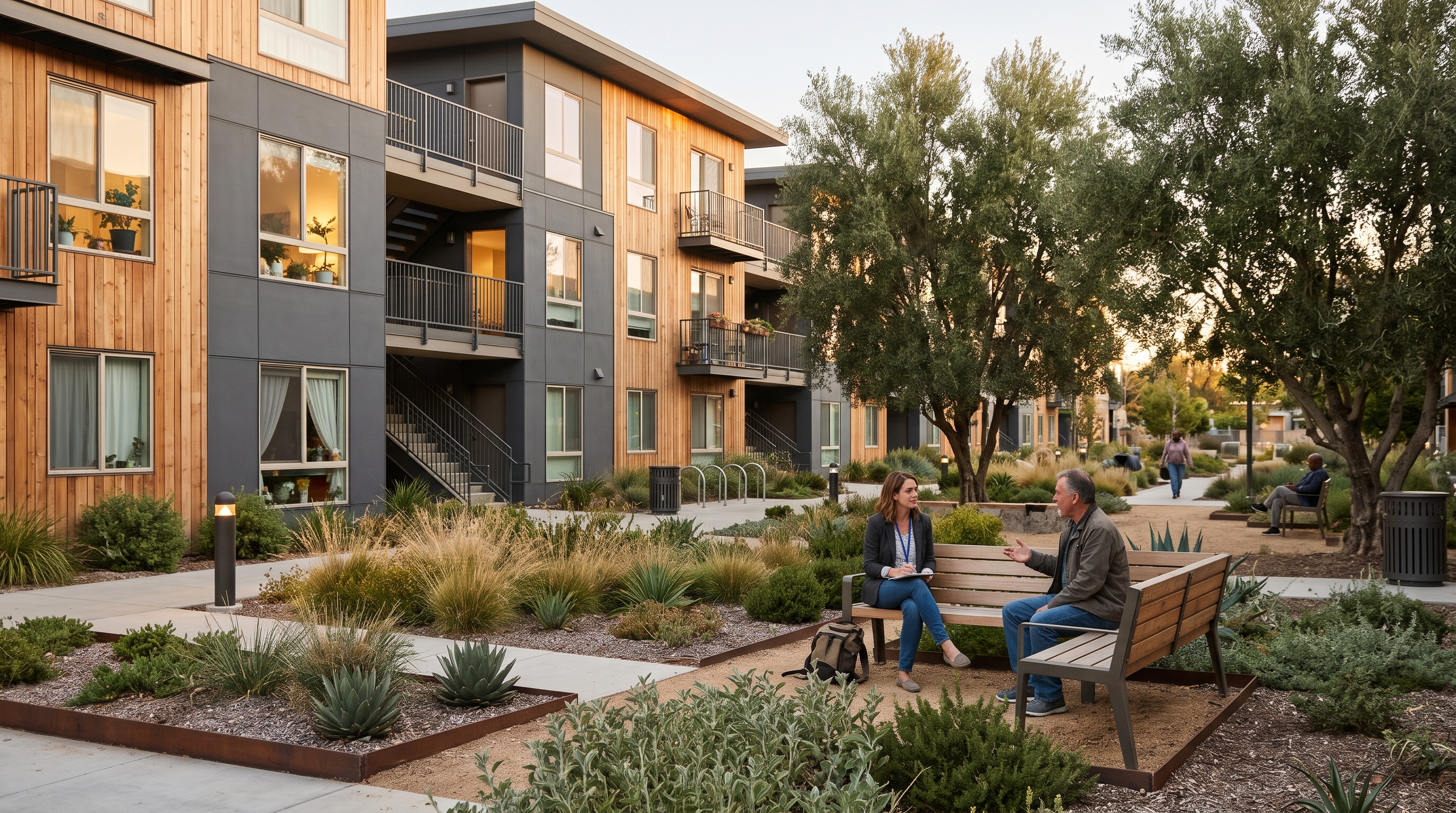
Case manager and resident in a supportive housing courtyard

03 · RESTORATIVE CARE

Supportive Housing

Permanent homes paired with on-site case management for long-term stability.

THE MODEL WE'RE BRINGING TO YOUR COUNTY

Proof that dignified housing can cost a third as much.

Rio Linda Senior Housing in Sacramento shows what's possible: 100 permanent supportive homes for adults 55+, about half reserved for veterans, delivered with factory-built construction and funded through Homekey+. It's the model we're ready to bring to your county.

Project Scale

100 Supportive Homes

Residents

Adults 55+, ~Half Veterans

Capital Cost

$207,000 Per Home

Conventional Benchmark

$600,000+ Per Unit

Home Design

~240 sq ft Factory-Built

Funding Source

Homekey+ (Prop 1)

Rio Linda Senior Housing is developed by Urban Capital with the City of Sacramento and Gateway Development; construction expected to begin in 2027. Figures as published by the developer.

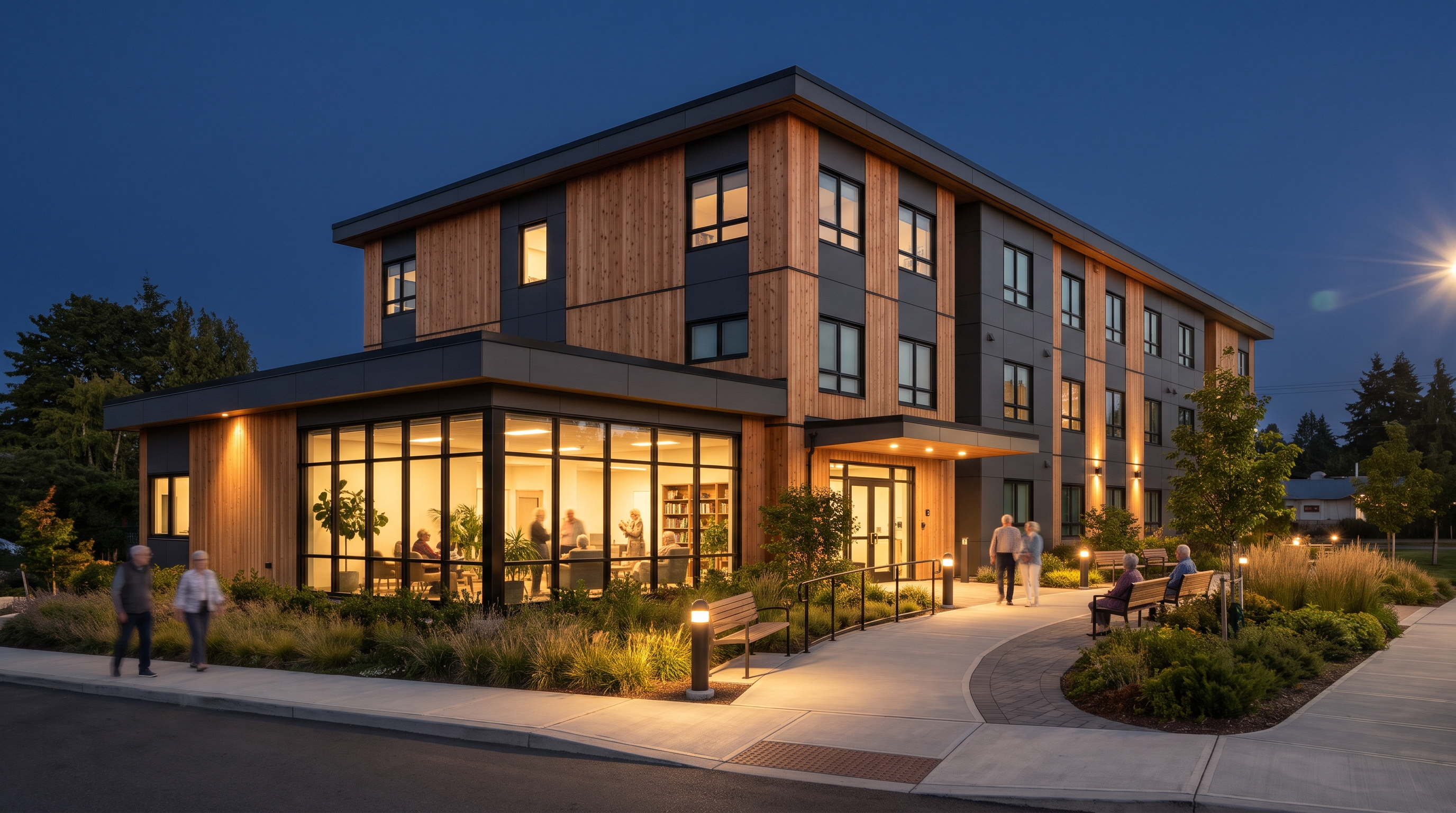
Illustrative rendering of a factory-built senior apartment building at dusk

ILLUSTRATIVE IMAGE · FACTORY-BUILT SUPPORTIVE HOUSING

HOW WE PARTNER WITH COUNTIES & CITIES

From vacant parcel to stable community.

A clear, milestone-driven process that de-risks public housing initiatives for counties, cities, and housing authorities.

01

Identify

We work with your county or city to match sites with the populations who need housing most.

02

Fund

We structure the capital stack: Homekey+, Prop 1, local housing funds, tax credits, and private partners.

03

Deliver

Off-site modular or traditional on-site, matched to the site and built to the state's deadlines.

04

Operate

We stay. On-site management and supportive services keep communities stable for the long term.

NEW PATHWAYS

Small cities are opening the door.

Communities like Mount Shasta and Fort Bragg have adopted rules that allow tiny homes as permanent housing — including small villages. We help rural and small-city partners turn new policy into real homes.

Questions, Answered

What partners ask us first.

Straight answers for counties, cities, housing authorities, and investors weighing their next senior, workforce, or supportive housing project.

Counties, cities, housing authorities, investors, and community partners planning senior, workforce, or supportive housing, whether there is a site in hand, a funding round ahead, or just an early idea.

Senior housing: age-restricted communities with accessibility and services built in. Workforce housing: attainable homes for the teachers, caregivers, and tradespeople who keep towns running. Supportive housing: permanent homes paired with on-site case management.

We structure the capital stack around each project: Homekey+ and Prop 1, local housing funds, tax-credit programs, and private partners. California has committed more than $2.1 billion in Prop 1 Homekey+ funding statewide.

Both, depending on the site. Modular and factory-built homes are fabricated off-site with tighter quality control, so dignified homes arrive faster and at a fraction of conventional affordable-housing costs. Rio Linda Senior Housing's published figures put it at about $207,000 per home versus $600,000+ for conventional builds. Traditional on-site construction is the better fit when terrain, access for delivering modules, local code or the design call for it. We assess each site and recommend the method, or a mix of both, that best serves cost, schedule and the Homekey+ score.

Rio Linda Senior Housing in Sacramento plans 100 permanent supportive homes for adults 55+, about half reserved for veterans, using factory-built construction and Homekey+ funding. It is developed by Urban Capital with the City of Sacramento and Gateway Development, and it is the model we are ready to bring to your county.

Yes, and the state is actively encouraging it. About $1.03 billion of Homekey+ is set aside for veteran-serving projects, including $53.25 million for rural projects. Each veteran unit brings an extra $30,000 operating award, can draw a 1:2 capital match of up to $100,000 more per home, and applications are prioritized by their veteran units. We plan the units, veteran-specific services and coordination with your County Veteran Service Officer into the application from the start. See the veteran dividend.

Yes, rural counties are our focus. Small departments rarely have spare staff time to chase competitive state funding, so as co-applicant we take on the legwork: site identification, pulling the Homekey+ application together, and working through entitlement and permitting with your team. Communities like Mount Shasta and Fort Bragg have also adopted rules that allow tiny homes as permanent housing, including small villages.

We stay. On-site property management and coordinated supportive services keep residents stable and communities operating well for decades, not just through opening day.

Tell us about your county, city, or project through the partner form below, or call (916) 337-3198. We will help map the path from vacant parcel to stable community.

Funding figures: California HCD Homekey+ update (Oct 2026). Veteran incentives: Homekey+ NOFA (amended Mar. 2026). Rio Linda figures as published by the developer.

PARTNER WITH US

Ready to build something that lasts?

Pitching for Homekey+? Whether you are a county, city, or housing authority, let's walk your site and your application through the scoring criteria together, before you file.

Counties · Cities · Housing Authorities · Investors · Community Partners

Partner Inquiry

Start a partnership conversation.

Tell us about your county, city, or project. Whether you have a site in hand, a funding round ahead, or an early idea, we will help map the path from parcel to stable community.

Visit6930 26th Street, Rio Linda, CA 95673